Swept Off the Wall: A Scuba Diver's Night Alone at Sea
When the current pulled her off the Cozumel wall, Lena Hollis surfaced into empty ocean. She spent 19 hours drifting before a sport fisher pulled her out of the water.
Lena Hollis was 22 meters down on the Santa Rosa wall off Cozumel on the morning of January 8, 2026, when an unforecast surge in the current pulled her away from her group. She was a recreational diver with about 80 logged dives, on the third day of a week-long trip with a local operator. The current that took her was not the famously strong drift the wall is known for; it was a brief, anomalous push that the operator's other divers, working closer to the reef, did not feel as strongly.
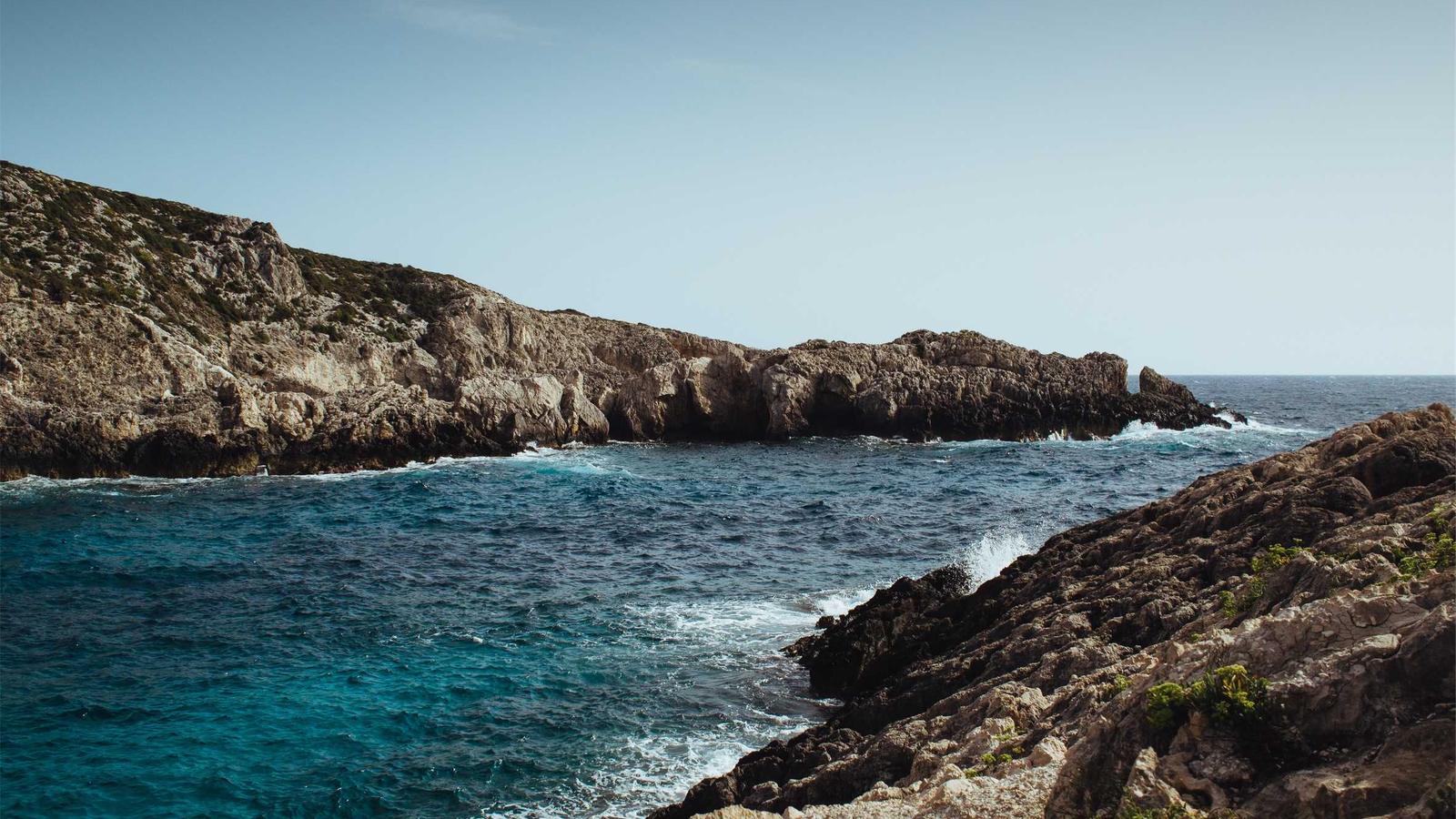
By the time she had finished her safety stop and surfaced, she could not see the dive boat. She could not see the reef. She could not see Cozumel.
She spent 19 hours in the water before a sport fishing vessel out of Puerto Aventuras pulled her aboard.
Hollis, 34, a nurse practitioner from Austin, has spoken about the experience at one diving conference and in one written piece for a recreational dive magazine. She has been careful to credit the equipment she was carrying and the small decisions she made on the surface. She has been equally careful not to dramatize the night.
The first decision she made, after surfacing, was to inflate her surface marker buoy fully. The marker was a six-foot inflatable tube in safety orange that she carried clipped to her BCD. She had bought it after a near-miss in Belize two years earlier, when a divemaster had told her that the small markers most divers carried were nearly invisible from a boat at any distance.
When the current pulled her off the Cozumel wall, Lena Hollis surfaced into empty ocean. She spent 19 hours drifting before a sport fisher pulled her out of the water.
The second decision was to inflate her BCD only partially, conserving the oral inflation for later. She estimated her gas reserves at roughly 60 bar and turned her air off at the tank, switching to oral inflation to keep her buoyant. She kept her mask on and her regulator clipped to her chest, where she could reach it if she needed to clear her airway in chop.
The third decision was to look at her dive computer, note the time, and begin counting. The current at the surface, she could tell from the speed at which clouds moved over her, was carrying her north and slightly east, which she knew meant she was being pushed into the channel between Cozumel and the mainland. She would not drift onto a beach. She would drift into open water.
She had a small whistle clipped to her BCD. She had a signal mirror in her wetsuit pocket. She did not have a personal locator beacon. The lack of a beacon is the thing she has talked about most in her public retellings.
The afternoon was the worst part. The sun was direct, the water was warm but not warm enough to prevent slow heat loss, and the chop was high enough that she had to keep her face turned to keep water out of her snorkel. She used the snorkel rather than the regulator, to conserve gas, and accepted that she was going to swallow some seawater.
The operator's boat had begun searching within thirty minutes of recognizing she was missing. The Mexican Navy was notified within the hour. By nightfall, two vessels and one small aircraft had been over her general drift path. None of them saw her. The marker buoy, she has said, was visible to her from the troughs of the waves only as a hint of orange against the sky. From a boat or aircraft moving past at any distance, in chop, it would have been invisible.
She managed the night by setting small goals. She would breathe slowly for ten cycles. She would think about a specific patient at the clinic where she worked for the length of one wave set. She would not think about sharks, because thinking about sharks did not change whether there were sharks. She has said that the discipline of not thinking about certain things was the most difficult work she did all night.
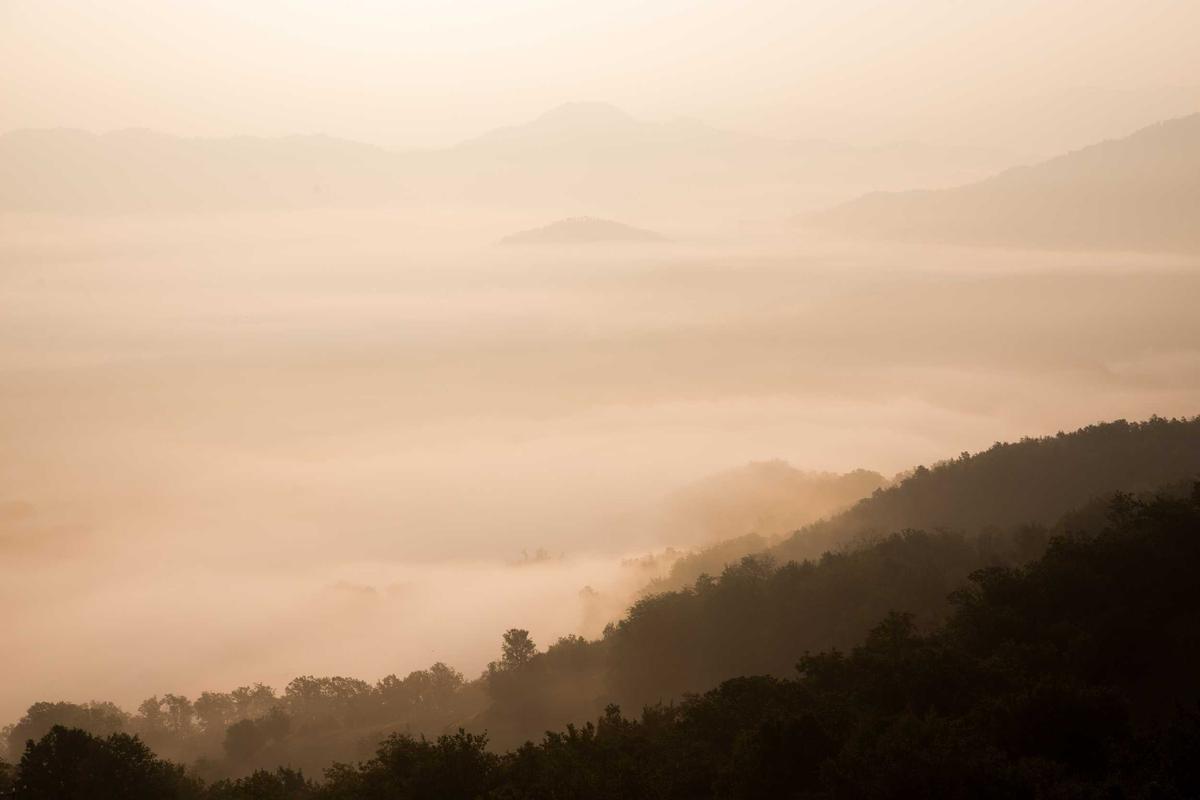
She was found at 5:40 the next morning by a sport fishing vessel that was running south to Cozumel for the day's charters. The captain, a man named Ernesto Vela, saw the orange buoy from perhaps 200 meters at first light and turned the boat toward it. He pulled her aboard, wrapped her in towels, and called the Navy.
Hollis had mild hypothermia, severe dehydration, and a saltwater rash across her face and neck. She was treated at a clinic in Cozumel and released the next day. She flew home a week later.
She has continued to dive. She made the decision deliberately and with the support of a counselor she began seeing after she returned to Austin. Her first dive after the incident was in a quarry in Texas, in 10 meters of green water, with two friends. She has since dived in Bonaire and in the Florida Keys. She has not returned to Cozumel.
Her gear list has changed. She now carries a personal locator beacon registered to her name and tested before each trip. She carries a larger surface marker, eight feet rather than six, with a strobe at the top that she can activate by squeezing a tab at the base. She dives only with operators who run a strict head count on the boat after each dive and who carry their own beacons.
She has written, in the magazine piece, that her survival was not about her courage and not about her skill. It was, she wrote, about a buoy she had bought because of a near-miss and a captain who happened to be running south at dawn. The captain, she noted, had not been part of any search. He was simply going to work.
She sends Vela a Christmas card every year. He has framed the first one.
Filed under
Written by
Priya Mehta
Priya Mehta writes for The Shoreline on stories worth sitting with.
The Reader Mail
Receive each new issue.
A weekly letter with the new pieces, an editor's note, and one quiet recommendation. No advertising. Unsubscribe at any time.
We send roughly one letter a week. We do not share the list with anyone.
More in Survivors