A Portland Barista's Daily Routine Saved an Elderly Customer's Life
Every morning at seven sharp, eighty-one-year-old Hal Sorenson ordered a small drip with one sugar at Wren Coffee on Hawthorne. The morning he did not, his barista went looking for him.
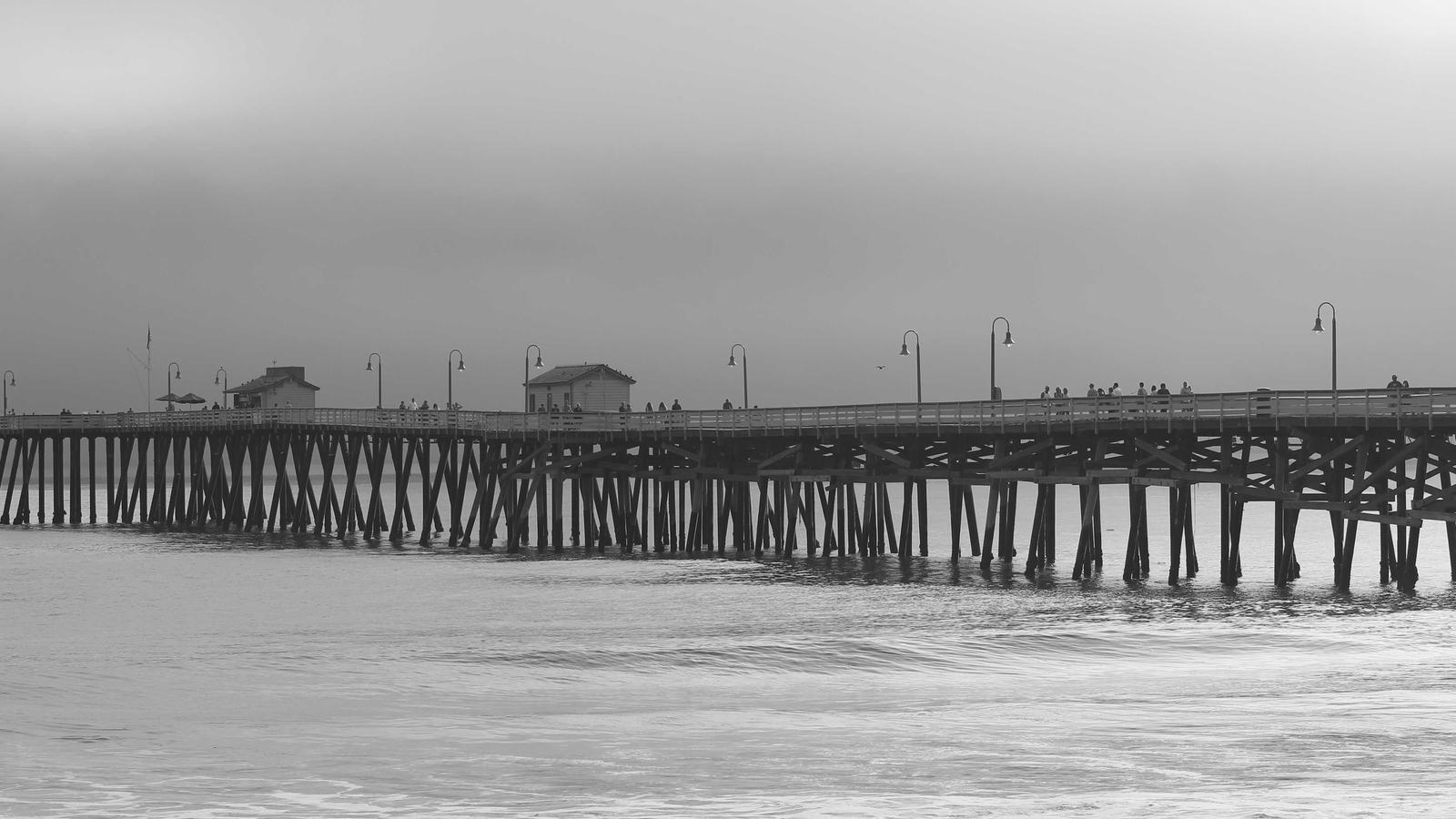
Wren Coffee opens at six thirty in the morning on Hawthorne Boulevard, and by seven the line is usually four deep with cyclists, dog walkers, and the same three teachers from the elementary school down the block.
Marisela Ortiz had worked the morning shift there for almost two years. She was twenty-six, a graduate student in social work at Portland State, and she paid her rent in part by remembering people's orders.
Hal Sorenson was the easiest order on her board. Small drip, one sugar, room for cream. He was eighty-one years old, a retired millwright, and he wore the same red plaid jacket year-round regardless of the weather. He came in at seven sharp every weekday morning. He had been a customer since before Marisela started.
He always sat at the small table by the window for exactly twenty-two minutes. He read the front section of the Oregonian. He left a dollar in the tip jar.
On Tuesday, May fifth, Hal did not come in.
By seven fifteen, Marisela had noticed. By seven thirty, she was watching the door. By seven forty-five, when the morning rush had thinned to a trickle, she asked her coworker, a college student named Devin Walsh, if he had seen Hal.
Devin had not.
Marisela considered, for a moment, that Hal might have an appointment, or a cold, or a visiting grandchild. There were many possible explanations that did not involve anything wrong.
She made his small drip with one sugar anyway. She put a lid on it. She told Devin she would be back in twenty minutes.
She knew where Hal lived because he had told her once. He lived in a small green-trimmed bungalow on Caruthers Street, four blocks south. He had pointed in that direction one rainy morning and said his late wife had planted the rhododendrons in the front yard in 1973.
Marisela walked to Caruthers in her green apron, carrying the coffee.
Marisela walked to Caruthers in her green apron, carrying the coffee.
She found the green-trimmed bungalow easily. The rhododendrons were blooming. The morning paper was still on the front walk, which she noticed because Hal had once mentioned that he liked to read the headlines before he left the house.
She knocked on the door. She knocked a second time, louder. She rang the bell. She heard nothing.
She went around to the side of the house and knocked on the kitchen window. Through the curtain, she could see the back of a chair and the corner of a table.
She called 911 from the side yard. She told the dispatcher, in a voice she has since described as more confident than she felt, that she was at the home of an elderly man who had a daily routine and had broken it that morning, and that no one was answering the door, and that she was worried.
The dispatcher did not dismiss her. The dispatcher sent a welfare check.
A Portland Police officer named Tessa Klein arrived in eleven minutes. She knocked again. When there was no answer, she called the non-emergency line for the fire department, which sent a paramedic crew with a tool to force the door.
They found Hal Sorenson on the floor of his bathroom. He had fallen at some point during the night. He was conscious but disoriented, and his hip was broken, and he had been on the cold tile for what the paramedics estimated was between four and six hours.
He was hypothermic, dehydrated, and very glad to see the people who came through his door.
Marisela was still on the porch when they brought him out on a stretcher. He was wrapped in a foil blanket. He looked very small and very tired, but when he saw her green apron, he smiled.
"You brought my coffee," he said.

She held it up. She had been carrying it for almost half an hour.
He told her, his voice quiet, that he would take it later. She rode in the front seat of the ambulance, because the paramedic on duty asked if anyone could come with him and Hal pointed at her with a finger that was not quite steady.
Hal spent six days in the hospital. His hip was repaired with a pin. His daughter, Lainie Sorenson, flew in from Minneapolis the next morning. Lainie has since told the story, on a local podcast, in a voice that cracks twice and recovers.
Lainie said the orthopedic surgeon told her, plainly, that another six hours on the bathroom floor would likely have been fatal. She said her father had a phone, but it had been on the kitchen counter, and he had not been able to reach it. She said the only reason anyone had come looking for him was a barista who noticed he had not come in for his coffee.
Wren Coffee, in the weeks that followed, became a small kind of famous. Customers came in carrying screenshots of the news article. The owners of the shop, a married couple named Beto and Sandy Park, posted a printed thank-you card on the bulletin board.
Marisela was uncomfortable with the attention. She agreed to one short interview with the Oregonian, in which she said, more than once, that she had not done anything special. She said the only thing she had done was walk four blocks with a coffee.
She has since helped start a small program at the shop. Regulars over a certain age can sign up, voluntarily, to be on a daily check-in list. If they miss two consecutive mornings without warning, a barista calls the number on file. If no one answers, they call a designated contact.
The list has eleven names on it now. The Parks have offered to share the template with any small business that asks.
Hal Sorenson is back at his window seat on Hawthorne. He uses a walker now. He still comes in at seven. He still orders a small drip with one sugar. He still leaves a dollar in the tip jar.
Marisela has been told, by enough people that she has finally stopped arguing, that she saved his life. She does not love the word hero. She prefers, when pressed, the word neighbor.
She has said, when the conversation drifts that way, that paying attention is not a special skill. It is just a thing a person can choose to do, four blocks at a time.
Filed under
Written by
Wren Calloway
Wren Calloway writes for The Shoreline on stories worth sitting with.
The Reader Mail
Receive each new issue.
A weekly letter with the new pieces, an editor's note, and one quiet recommendation. No advertising. Unsubscribe at any time.
We send roughly one letter a week. We do not share the list with anyone.
More in Heroes
Keep reading

Heroes
An Off-Duty Pilot Spotted a Brush Fire From a Window Seat and Called It In
Marcus Bell · 5 min read
Heroes
A Cashier at a Bismarck Grocery Store Paid for a Family's Cart Without Anyone Asking
Lila Renshaw · 5 min read

Heroes
A Man Sleeping Outside a Memphis Library Returned a Wallet With Four Thousand Dollars
Priya Mehta · 5 min read